Career Roadmap
Understand the major creator roles and how different game-development skills connect.
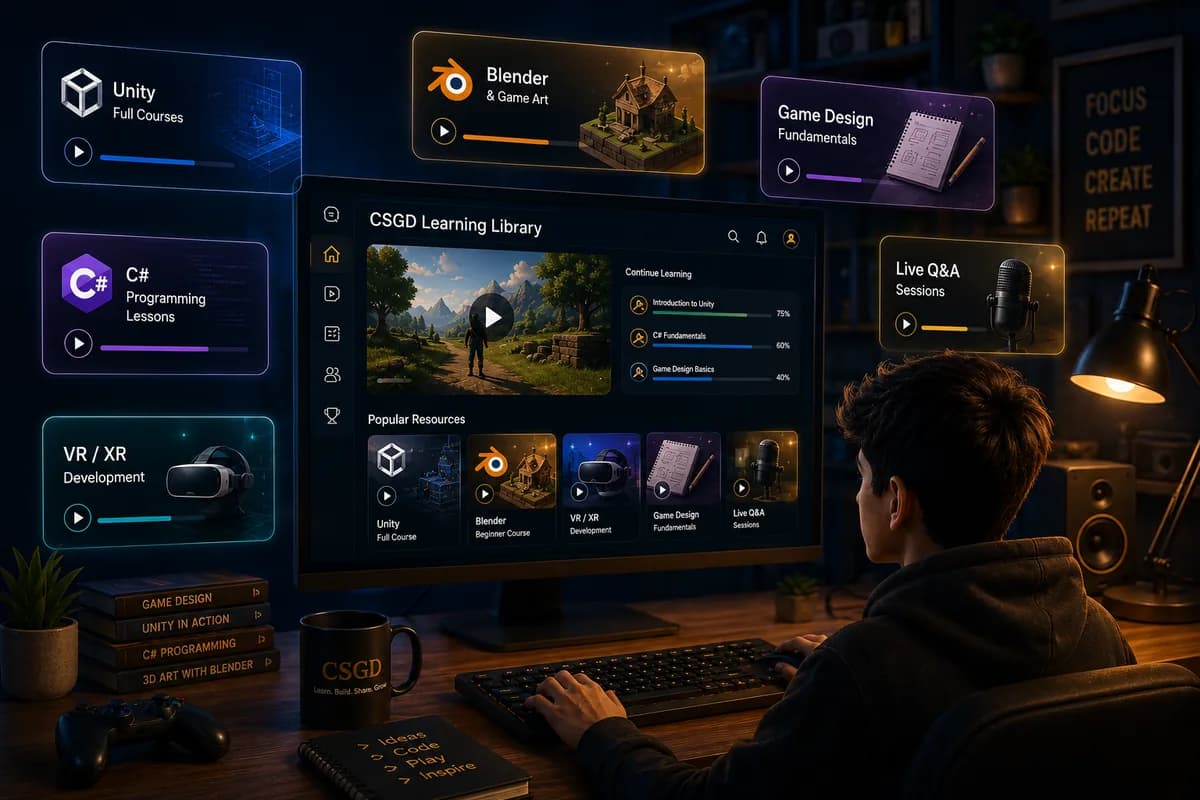
Free Starter Kit for A/L Students
Free roadmap covering Programming, Design, 3D, and 2D for students exploring what to do after A/L.
Start With Clarity
Use the Starter Kit to compare creator paths, choose a sensible first step, and understand what practical learning can look like.
Inside the Starter Kit
Understand the major creator roles and how different game-development skills connect.
Compare programming, design, 3D, and 2D paths before deciding what to explore first.
Follow a practical first-month plan for learning, experimenting, and creating consistently.
Start with a clear overview of accessible tools used across the four creator pathways.
Help parents understand the learning process, creator roles, and practical commitment involved.
See verified CSGD Student Work examples and the different forms game projects can take.
Path Finder
Begin by understanding the work. Specialization can come later.
Game Programmer
Build the systems that bring games to life.
Game Designer
Create experiences players remember.
3D Creator
Build worlds and assets for games.
2D Artist
Create the visual identity of games.
First 30 Days
A steady first month is more useful than trying to learn everything at once.
Explore how programming, design, 3D, and 2D contribute to a game project.
Choose a starting path and prepare the basic software and learning environment it needs.
Complete focused beginner exercises instead of trying to learn every discipline at once.
Finish a small playable, visual, or design exercise and review the next practical step.
Real Student Work
These are verified existing Student Work records. They are not presented as Starter Kit outcomes.
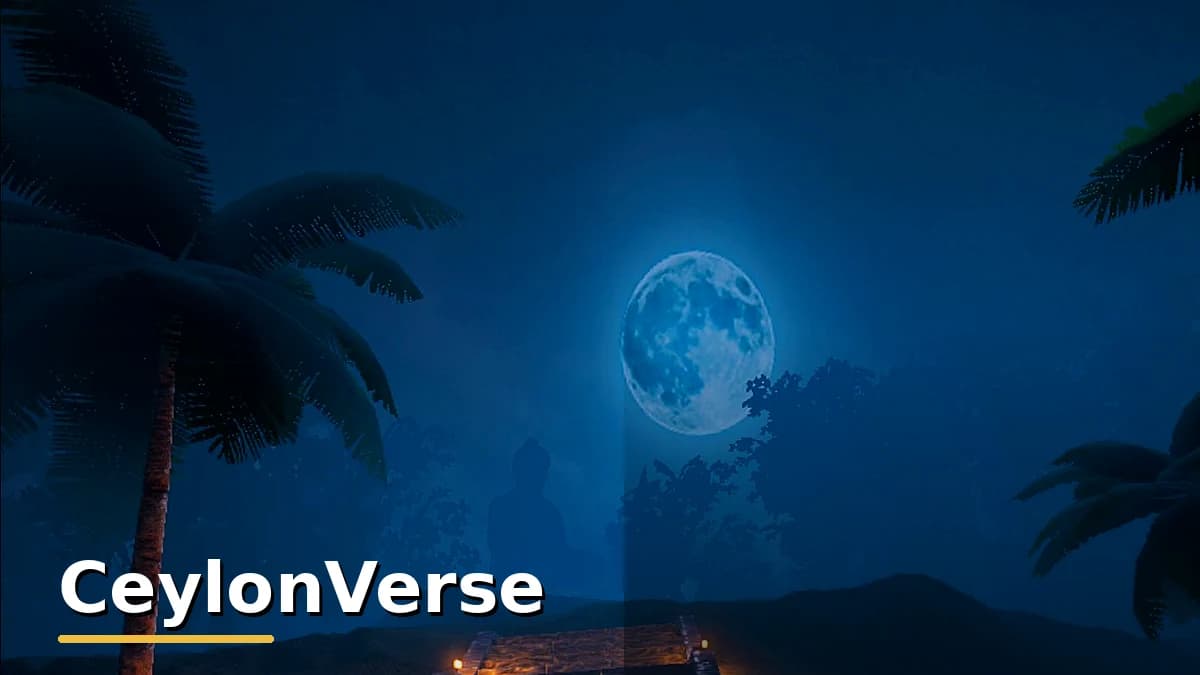
Student-Built Studio Project
CeylonVerse is a cultural XR platform developed through Heladev XR Labs, bringing Sri Lankan heritage, traditions, and cultural moments into interactive 3D/VR experiences.
View on Meta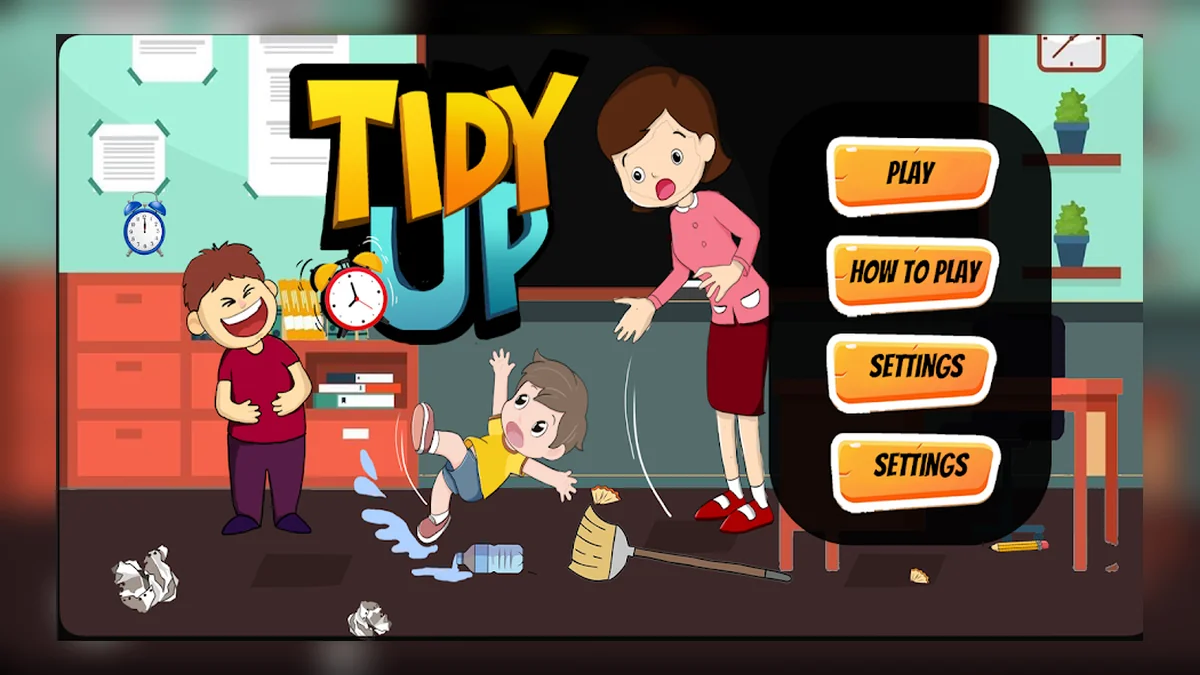
Student-Built Studio Project
A classroom cleaning adventure built by students while working with Heladev XR Labs. Players help Tidy Kid transform messy classrooms into clean spaces, avoid obstacles, outsmart the Mess Maker, collect timers and candies, and progress through 15 challenging levels.
View on Google Play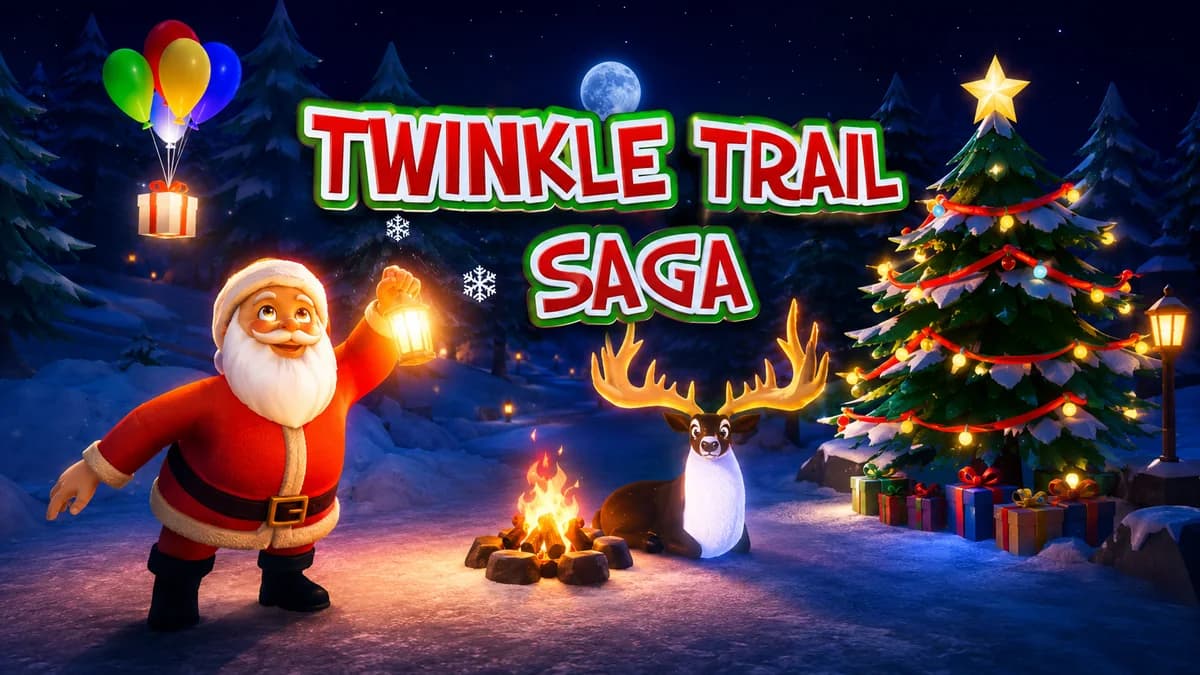
Student-Built Studio Project
A festive Christmas adventure built with Unity where players step into Santa’s role, rescue trapped reindeer, collect scattered gifts, stay warm using firepots, regain health with cookies and milk, navigate platforming challenges, and use snowballs during light obstacle and enemy encounters.
Play on itch.ioBeyond Playing
Games bring technical, visual, design, and production skills into one collaborative medium.
Build the logic, interactions, and rules that make a game work.
Shape mechanics, levels, balance, and the player experience.
Create characters, interfaces, assets, environments, and visual identity.
Plan, test, improve, communicate, and turn small ideas into working projects.
A Possible CSGD Journey
The Starter Kit is an entry resource, not enrollment in the Mini Degree or a promise of later outcomes.
Remote Industrial Training follows successful completion of the 12-month Mini Degree. Confirmed conditions and safeguards are explained on the Mini Degree page.
Free Orientation
Get a beginner-friendly introduction to the four creator pathways, practical learning expectations, and sensible next steps after A/L. Mini Degree Batch 6 begins with this Orientation and program kickoff.
Your Starting Point